Insights expertise and innovation
We stay on top of regulatory changes, the latest technologies, and innovative solutions.
Giving you the latest information so you can make smart decisions. Stay updated and educated with our insights and solutions.

Planning for a future that may not arrive
Dr Tom Logan
Chief Technology Officer
10 MIN
Climate risk assessments often do a reasonable job of acknowledging that the future is uncertain. They might present a range of sea-level rise scenarios, discuss uncertainty in emissions pathways, or recognise that future conditions cannot be predicted precisely. The problem is what happens when that uncertainty has to be translated into an actual planning decision. At that point, the range of plausible futures is often reduced to a single number that can be designed around. A better approach is to make the decision itself robust to uncertainty: test how options perform across a range of plausible futures, identify the conditions under which they stop working, and adapt as those conditions emerge.
The NPS-NH, NPS-I, and Emergency Management Bill: a new framework for managing natural hazard risk
Maggie Fellowes
Senior Advisor: Climate and Resilience
7 MIN
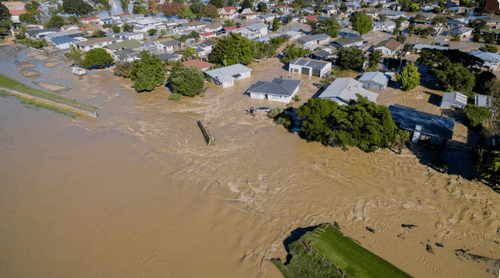
Two pieces of national direction came into force on 15 January 2026, each targeting a different part of the regulatory system for natural hazard risk. The NPS-NH sets a nationally consistent standard for how risk is assessed in planning and consent decisions for new development. The NPS-I sets national direction for how infrastructure is planned, located, and consented, including how natural hazard risk is managed.

Values matter in risk assessments
Dr Tom Logan
Chief Technology Officer
While conventional risk assessments are often technical and seemingly “objective”, this often obscures that every assessment makes judgments about what counts as a loss, which consequences matter, and who gets to define harm. Those judgments are actually not objective, they reflect someone’s or some group’s values. This presents a challenge for climate risk assessments at the national, regional, or local level as the values embedded in most climate risk assessments today are not universal.

The importance of multi-hazard considerations for building community and infrastructure resilience
Dr Mitchell Anderson
Co-Founder, CEO
5 MIN
Multi-hazard events carry the largest losses and consequences to our communities. Reclassified EM-DAT records show that 19% of documented events can be classed as multi-hazard, yet those events accounted for 59% of global damage and losses. Yet failing to consider multi-hazard in land use, asset, emergency, and adaptation planning produces uninformed decisions, poor prioritisation and resource allocation, and, in some cases, increased risk.

Business Isolation Due to Coastal Flooding in Aotearoa
Dr Sarah Harrison and Dr Paula Blackett
12 MIN
Urban Intelligence® completed an assessment for He Pou a Rangi Climate Change Commission on how coastal flooding isolates businesses from essential services. Over 15,000 businesses are already at risk under present-day sea levels during a 1% AEP event, rising to 1-in-10 nationally at 1.0m of sea-level rise, with seven territorial authorities facing more than a third of their businesses isolated. The findings give councils and industries a national baseline to guide adaptation planning and track risk as sea levels rise.
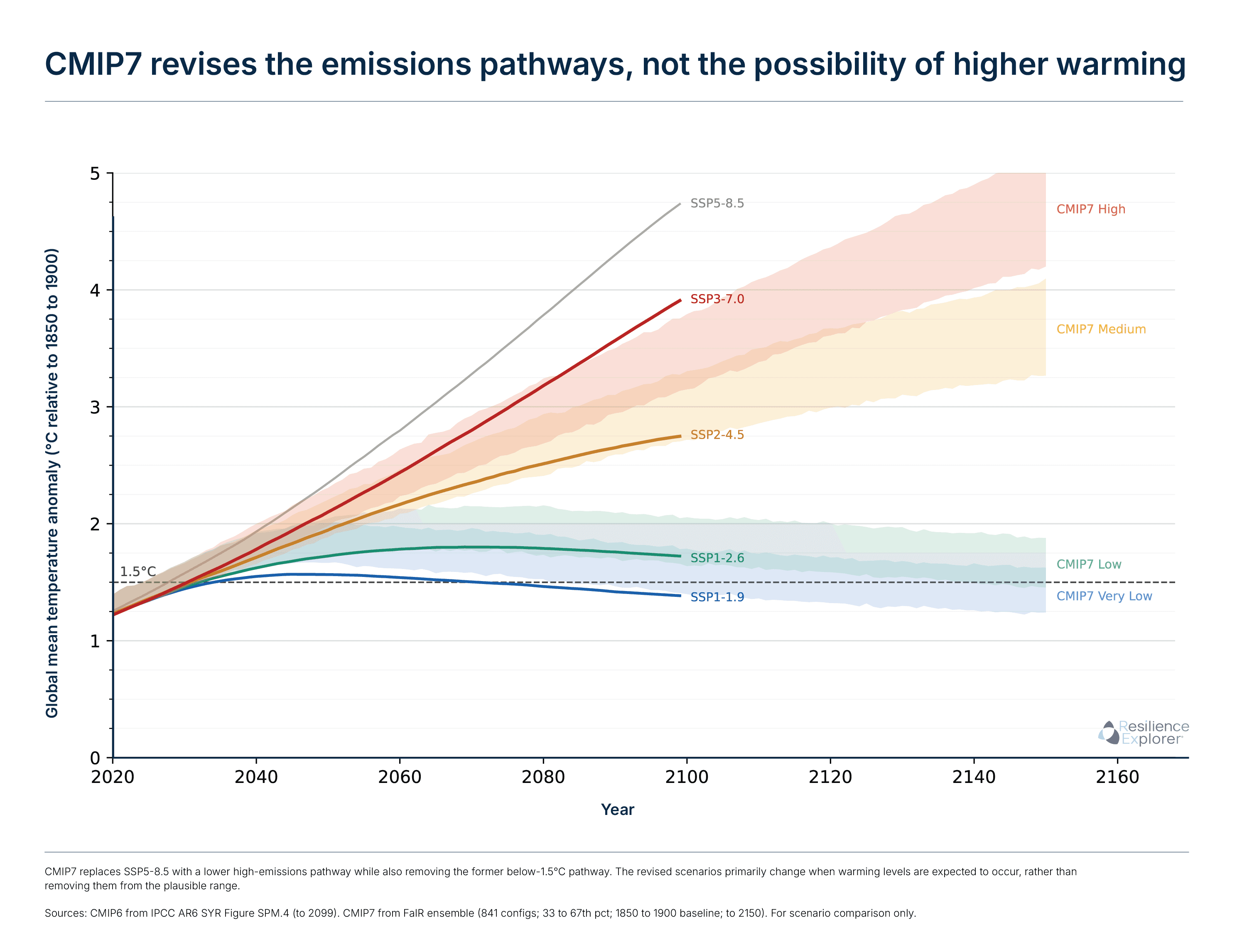
The highest climate scenario has been replaced. That does not change adaptation and natural hazard management.
Dr Tom Logan
Co-Founder, CTO
5 min
Climate scientists released the new CMIP7 scenario set in May. The headline that the upper-end scenario is lower than RCP8.5 has been read in some quarters as evidence that perhaps councils have been overreacting all along. That is very misleading for a range of reasons.

Will New Zealand’s national flood map reduce flood risk?
Dr Tom Logan
Co-founder, CTO
5 MIN
The government is investing further millions in a National Flood Map that will aggregate council flood data and build national-scale modelling to fill gaps. This follows five years of publicly funded national flood modelling through NIWA: outputs that remain commercially restricted and explicitly not intended for higher-resolution property or planning decisions.

Advancing Systemic Risk Assessment for Complex, Interdependent Systems: A Research Agenda
Dr Tom Logan
Chief Technology Officer, Research Director
3 MIN READ
What Is Systemic Risk and Why Does It Matter for Communities?
Dr Tom Logan
Chief Technology Officer
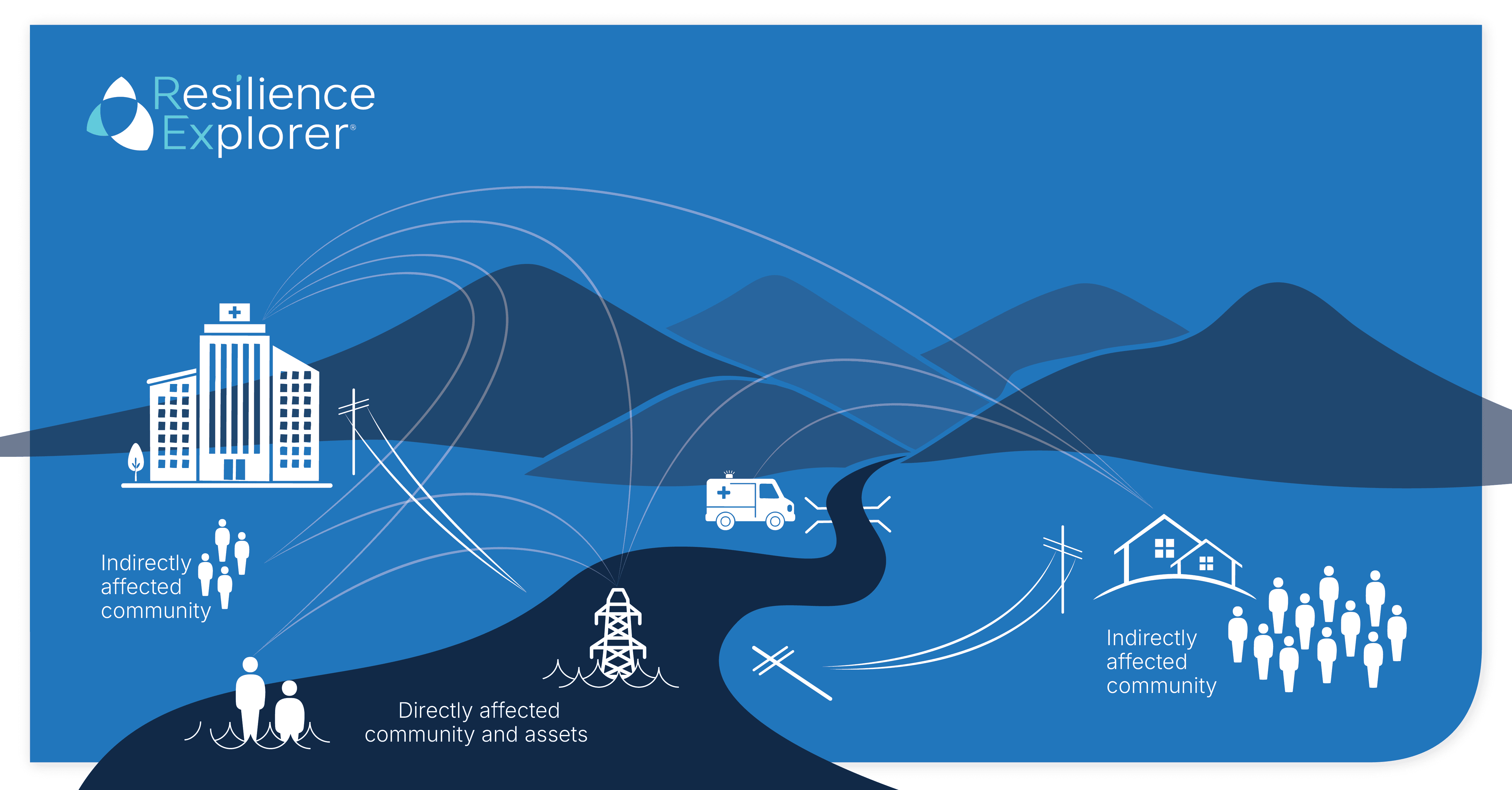
Climate change, infrastructure resilience, housing, insurance, public finance, and environmental management are increasingly interconnected. As a result, risks often propagate across systems and are experienced differently by different communities and stakeholders. This article explores what systemic risk means, why it matters for resilience planning, and how practitioners can better understand the consequences, trade-offs, and competing perspectives that shape adaptation decisions.
From exposure to action: introducing the Asset Risk Table in Resilience Explorer®
Dr Tom Logan
Chief Technical Officer
2 MIN READ
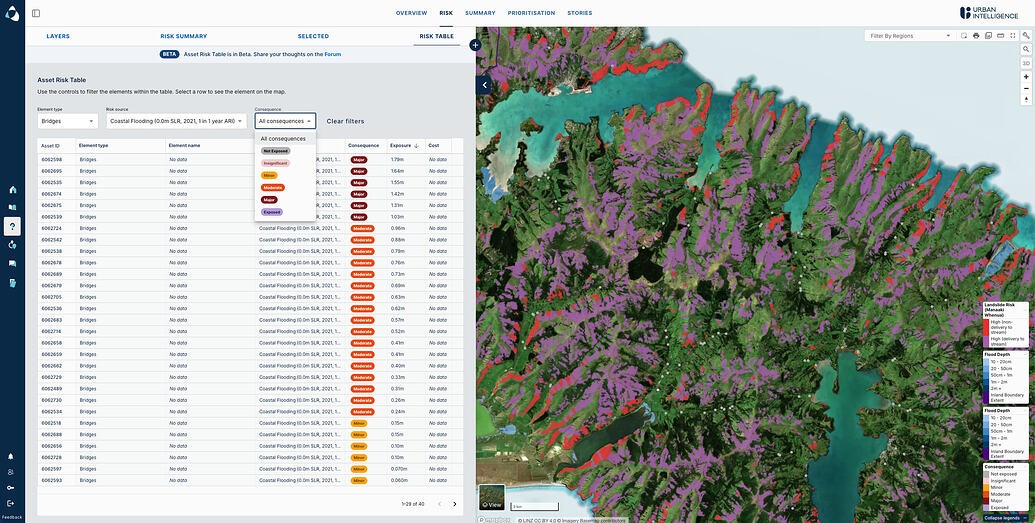
Knowing that an asset is exposed to flood risk is not the same as knowing what to do about it. For asset managers and infrastructure planners working across large portfolios, the harder question has always been: of everything at risk, where do we act first?

Marae-opoly: A Serious Game to Support Adaptation Decision-Making
Dr Paula Blackett
Research Director
10 MIN
When trying to decide how to approach adaptation, games can break through complexity, disagreement and decision paralysis. This is because games generate an experience that can encompass the complexity, uncertainty and nuance of the adaptation decision-making problem. More importantly, games generate a place to experiment with options and understand what sets of options can generate desirable outcomes and which cannot.
Future-Focused Infrastructure Planning at Hawke's Bay Airport
Maggie Fellowes
Senior Adaptation Advisor
5 MIN READ
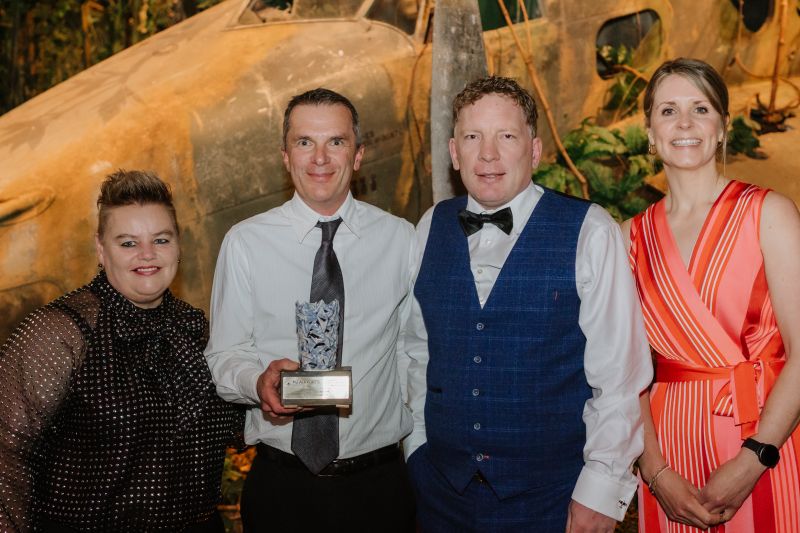
Hawke's Bay Airport is transforming climate-resilient infrastructure planning through its partnership with Urban Intelligence. As the first airport in Aotearoa to implement Urban Intelligence's Resilience Explorer® platform, this collaboration demonstrates how airports can adapt to emerging climate risks while maintaining operations and serving their communities. Hawke’s Bay Airport recently won the Sustainability Initiative of the Year award from the NZ Airports Association for integrating Resilience Explorer® into their adaptation and resilience planning. This recognition highlights leadership and sustainability in action, setting a new standard for infrastructure resilience across Aotearoa.

Risk Matrices Can Mislead More Than They Help
Dr Tom Logan
Co-founder
13 minutes
Risk matrices are widely used in risk assessment and planning, usually as a colour-coded grid showing likelihood against consequence. Although they’re intuitive and familiar, risk matrices often obscure meaningful differences, exaggerate minor ones, and may even lead to decisions that conflict with basic principles of good risk management.
Hamilton City Council: Leading Innovation in Natural Hazard Reporting with Property
Maggie Fellowes
Senior Adaptation Advisor
6 MIN READ
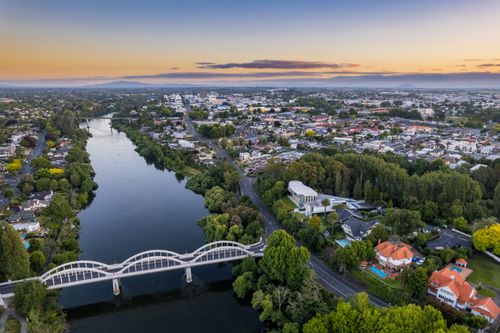
Hamilton City Council has demonstrated forward-thinking leadership by becoming an early adopter of Property, an innovative module within Urban Intelligence's® Resilience Explorer® platform. This strategic decision positions Hamilton at the forefront of meeting new government requirements whilst transforming their approach to natural hazard reporting.
Empowering Climate Adaptation in New Zealand's Far North: A Digital Resilience Success Story
Dr Andrew Allison
Technical Director
4 MIN READ
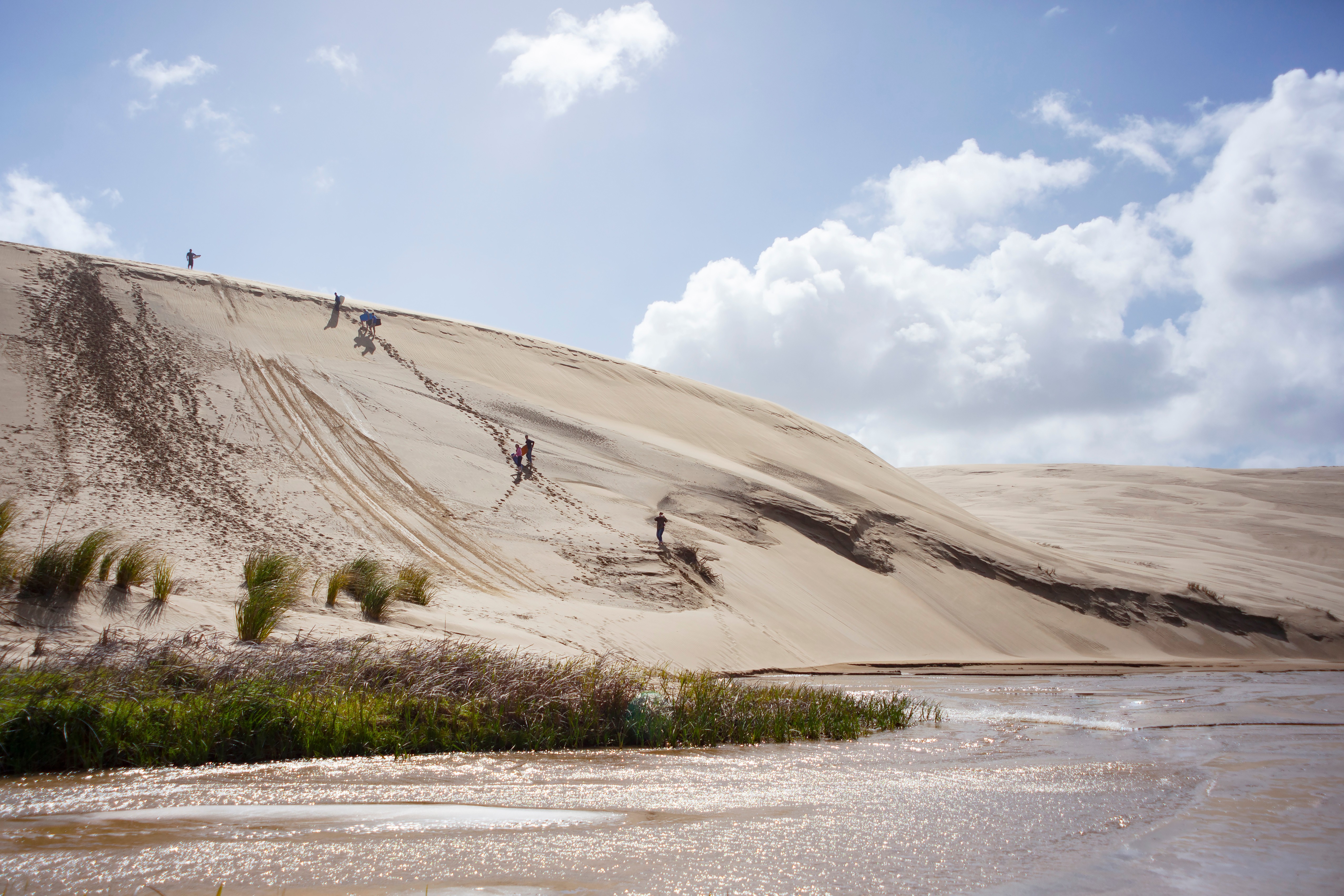
Far North District Council (FNDC) has leveraged Urban Intelligence's Resilience Explorer® platform over 15 months to develop adaptation strategies for one of New Zealand's most geographically dispersed regions. The council faces unique climate adaptation challenges and needed to develop robust transport and infrastructure networks while creating practical adaptation plans that address both immediate infrastructure needs and long-term resilience goals for remote communities.
Using Quantitative Modelling to Drive Climate-Ready Wastewater Planning
Dr Andrew Allison
Technical Director
9 MIN READ
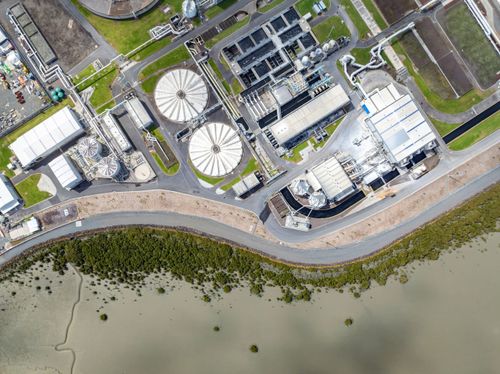
Why Wastewater Planning Needs a Rethink When people talk about climate adaptation, wastewater systems rarely make headlines. Yet the pipes, pumps, and treatment plants that quietly manage our waste are some of the most vulnerable to rising seas and intensifying storms. In my work, I have seen firsthand how climate uncertainty paralyses decision-making. We know things will get worse, but we do not know exactly when, where, or by how much. Traditional engineering methods, which optimise for a single predicted future, cannot cope with this uncertainty. Meanwhile, flexible approaches like dynamic adaptive pathways planning (DAPP) often stumble at the implementation stage because their triggers and thresholds remain too vague.
How Orion Uses the Resilience Explorer® Platform to Protect Canterbury's People and Infrastructure
Dr Andrew Allison
Technical Director
4 MIN READ
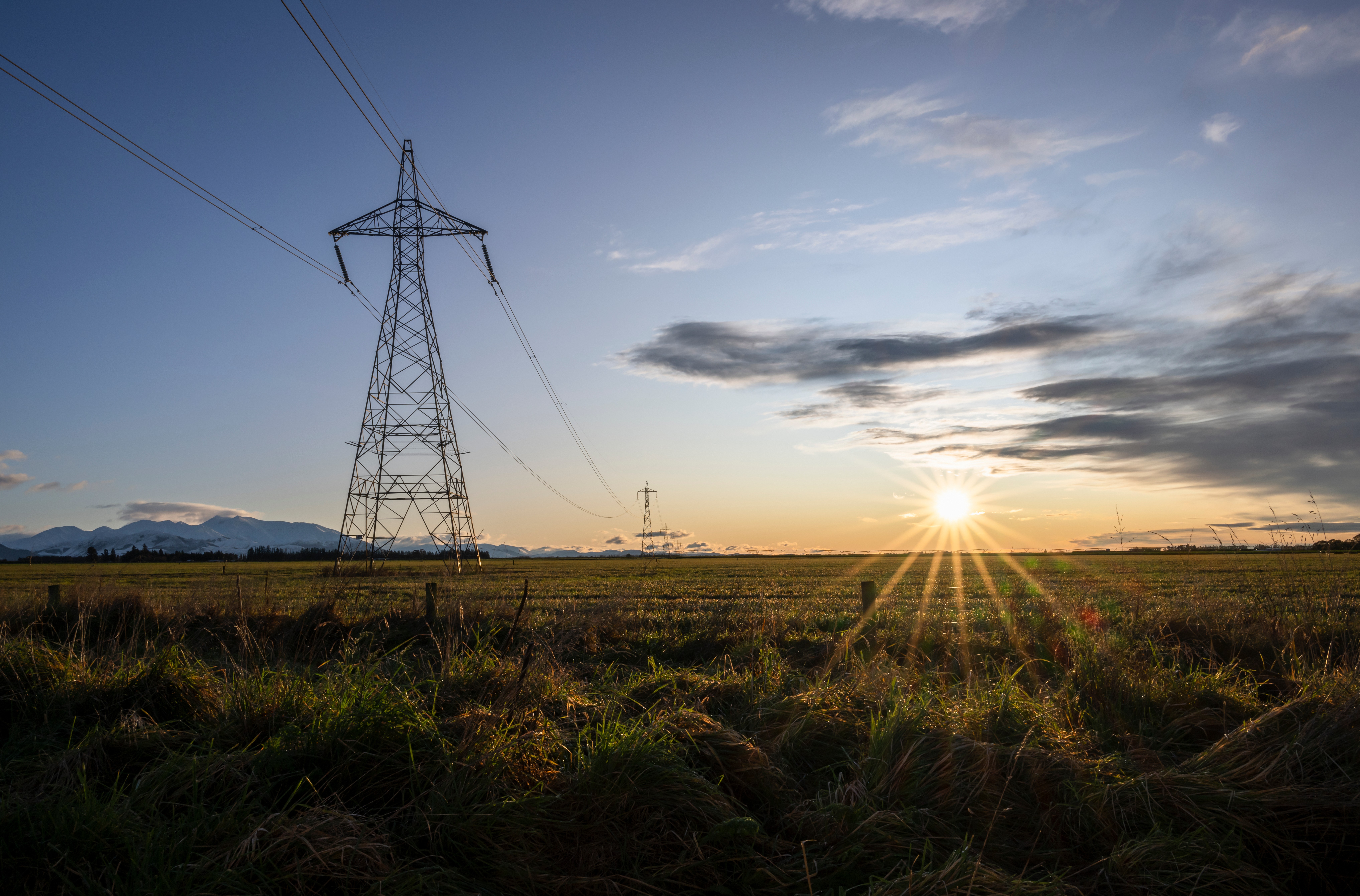
How Orion Uses the Resilience Explorer® Platform to Protect Canterbury's People and Infrastructure Overview When critical infrastructure fails during climate events, the costs are devastating—not just financially, but for the families, farms, and businesses left without power. For Orion Group, which serves 220,000 connections across central Canterbury, preventing these failures before they occur is essential. Orion has implemented Urban Intelligence's bespoke Resilience Explorer® platform to shift from reactive repairs to proactive risk mitigation. Through advanced risk insights and interactive scenario modelling, the platform enables Orion to identify vulnerabilities, test potential impacts, and implement preventive measures that reduce disaster-related costs.
A warning from the future: the risk if NZ gets climate adaptation policy wrong today
Dr Tom Logan & Dr Paula Blackett
Chief Technology Officer, Research Director
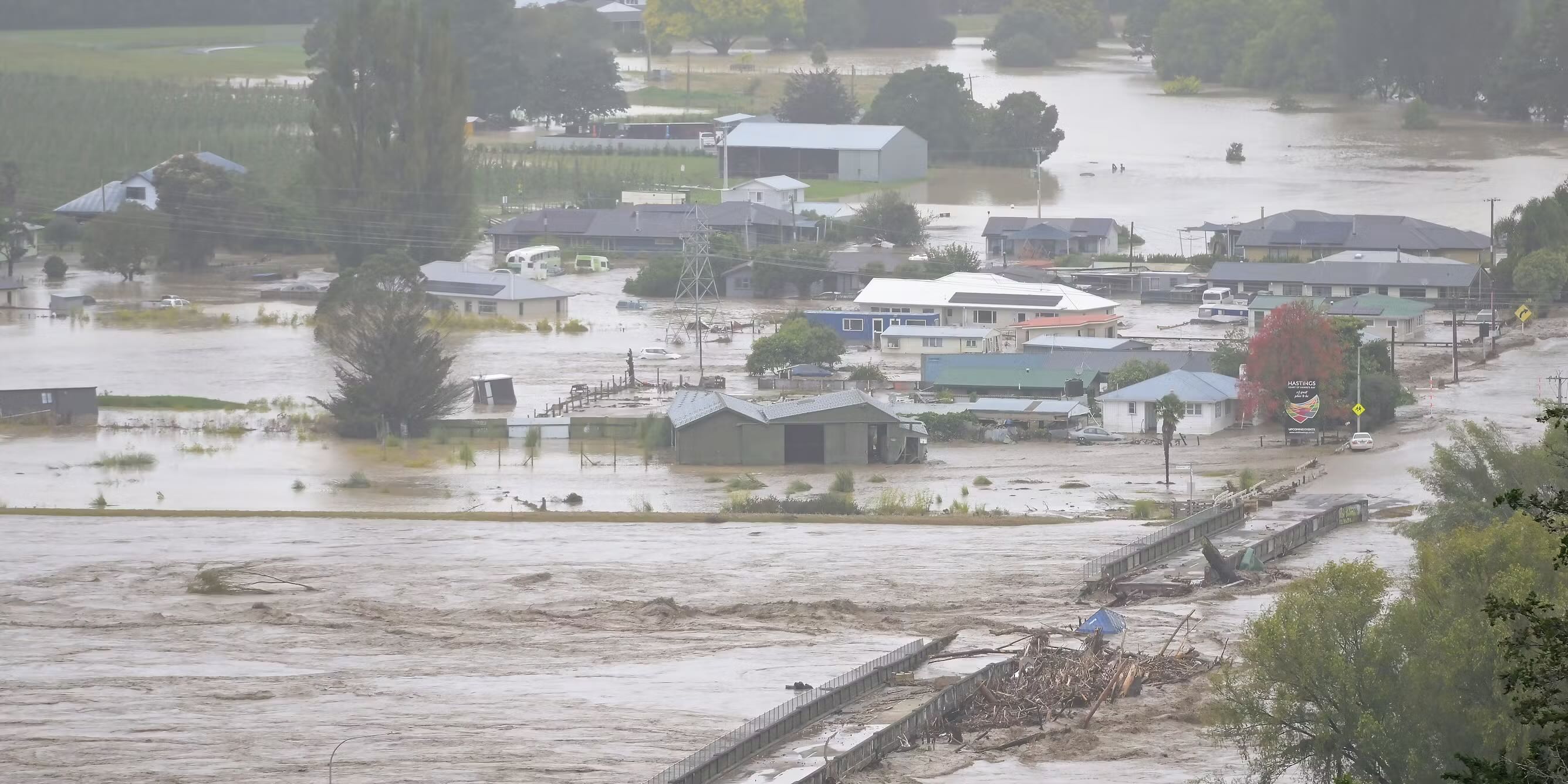
Set in a fictional New Zealand town in 2050, this scenario explores what climate adaptation could look like if governments continue shifting responsibility for climate risk onto households and local communities. As insurance retreats, buyouts end and infrastructure support becomes conditional, vulnerable residents are left exposed to escalating flood risk with few realistic options to relocate. The piece argues that adaptation policy focused narrowly on limiting government liability risks deepening inequity, fragmenting communities and creating a form of climate redlining where those with the least capacity to respond are left behind.
Rather than short‑term fixes, communities need flexible plans to prepare for a range of likely climate impacts
Dr Tom Logan
Chief Technology Officer
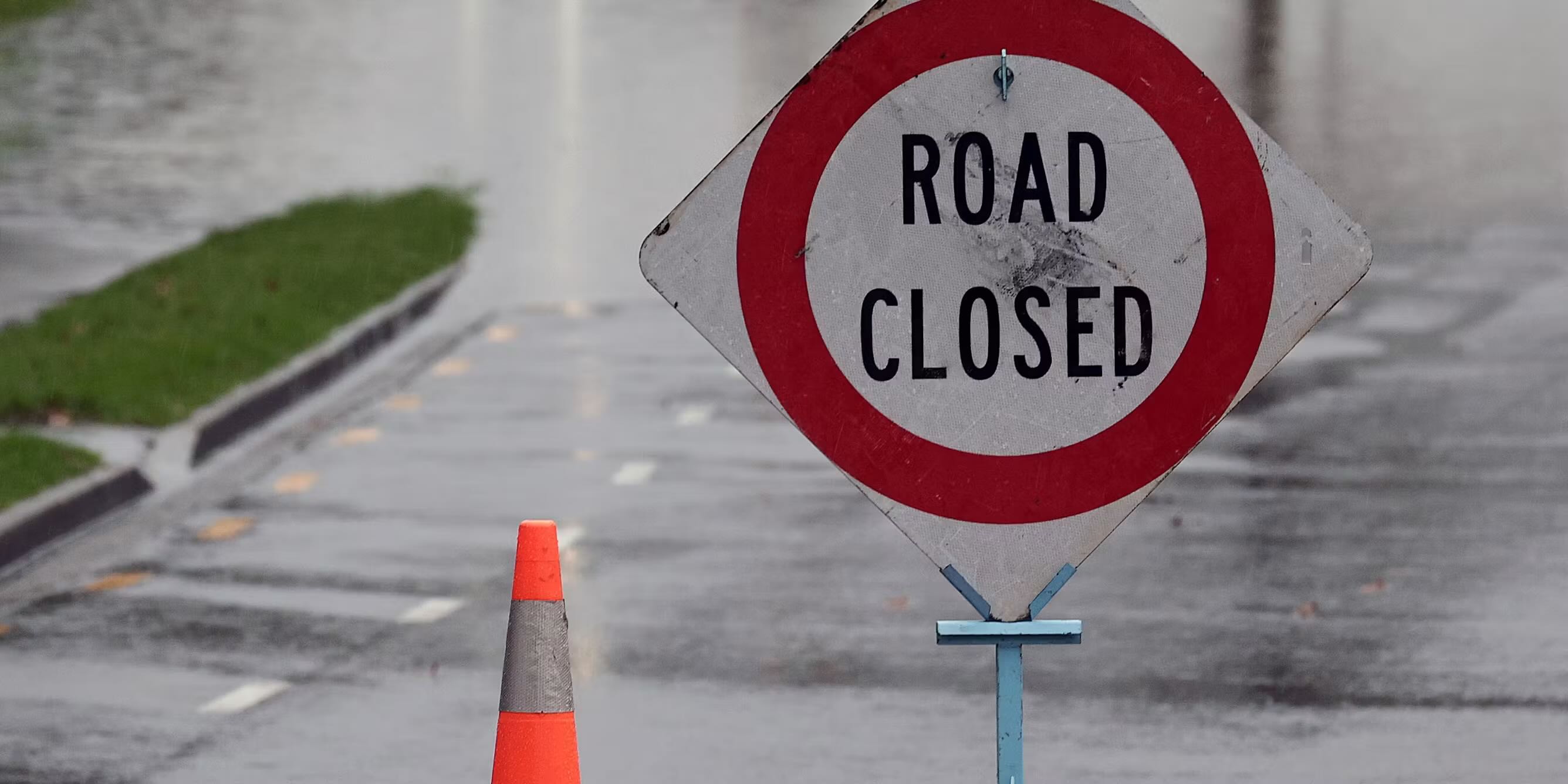
As communities recover from ex-Cyclone Tam and repeated flooding events, pressure is growing for immediate action on climate adaptation. But disaster-driven responses can create new risks if long-term planning is replaced by short-term reaction. Across New Zealand, councils are beginning to pair climate risk assessments with adaptive planning approaches that identify pathways, trigger points and future options before crises occur. While places such as South Dunedin, Buller and Christchurch are beginning this work, we argue that local government still lacks the funding certainty, legislative support and national direction needed to turn risk information into long-term resilience.

The domino effect of natural hazards: Why cascading impacts demand alignment and consistency in resilience efforts
Dr Tom Logan
Chief Technology Officer
6 MIN READ
Cascading failures present a major risk to our increasingly interdependent and interconnected infrastructure. Such failures could increase the impact of extreme weather or hazards by more than 200%.

Evaluating Urban Accessibility
Dr Tom Logan
Chief Technology Officer
5 MIN READ
Imagine a vibrant and healthy city. Is it one where you, your children, and your grandparents have access to the things you need?
The Resilience of Access
Dr Mitchell Anderson
Chief Executive Officer
7 MIN READ
While numerous studies have been completed to understand the reliability and resilience of transport networks, current assessments often neglect the wider objective of the network and the variety of needs of the people it serves.
The 10 Minute City
Dr Mitchell Anderson
Chief Executive Officer
5 MIN READ
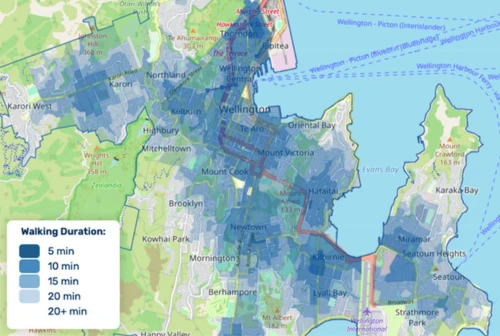
Does your neighbourhood allow you to meet your key needs within 10 minutes? The 5, 10, and 15-minute city is all about living locally.

How to Plan Tomorrow's Cities?
Sam Archie
Data Engineer
4 MIN READ
Today's urban planning is more complex than ever: climate change, the housing crisis, natural hazards, and chronic disease mean that planning decisions must consider multiple objectives.
Neglecting future urban development and changing risks can lead to maladaptation to natural hazards
Dr Tom Logan
Chief Technology Officer
4 MIN READ
In our pursuit to adapt to unavoidable climate change and natural hazards, we are in danger of making things worse for ourselves if we do not figure out how to avoid maladaptation.
Community Resilience and Risk
Dr Tom Logan
Chief Technology Officer
4 MIN READ
Many of the so-called "natural disasters" that devastate our communities represent a failure at the intersection of risk analysis and urban planning.

Evaluating Proximity: How to set up an OSRM server
Dr Mitchell Anderson
Chief Executive Officer
5 MIN READ
The fast calculation of network distance can be highly useful. The accessibility of community services is becoming a proxy for community resilience and has opened the door to a large range of future research opportunities.
How can provincial areas best prepare for rapid growth?
Dr Tom Logan
Chief Technology Officer
3 MIN READ
At the crack of dawn this morning, I chatted with NewstalkZB's Kate Hawkesby about the urban growth of the provinces and whether "intensification" is inevitable.
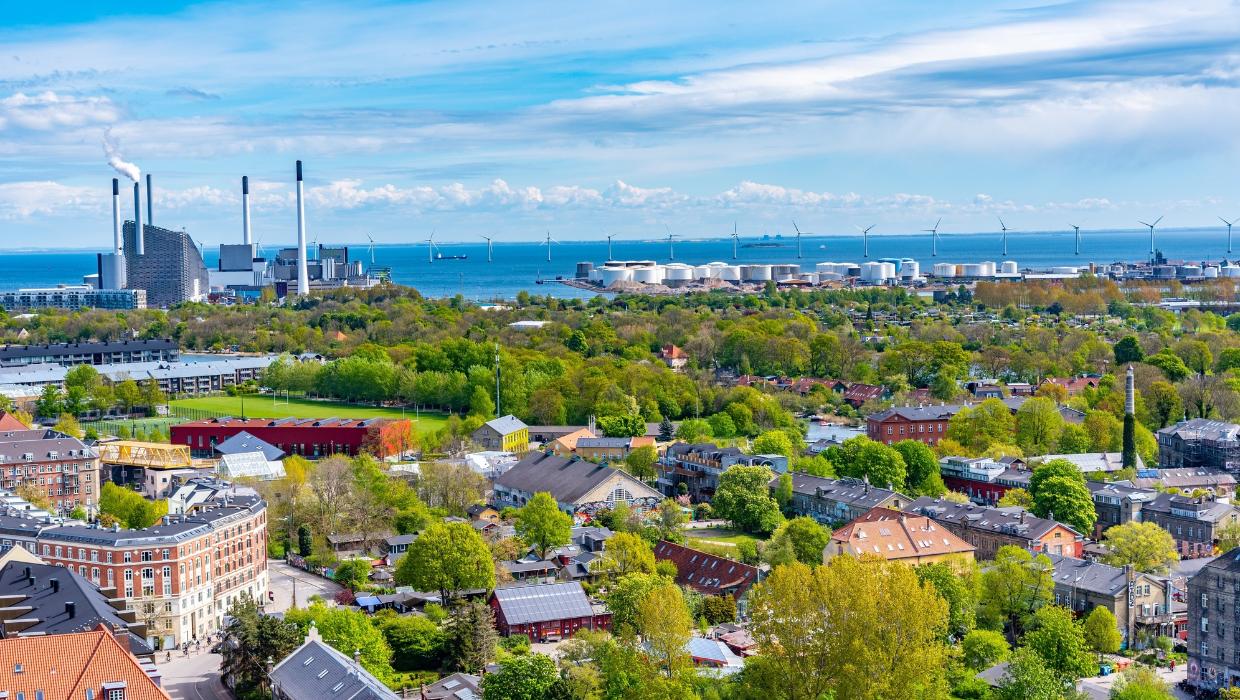
Density done well can bring the vision of many residents to life for Christchurch
Tom Logan
Chief Technology Officer
Tom argues that Christchurch’s housing intensification debate is ultimately a debate about what type of city we want to become. Continuing suburban sprawl will worsen infrastructure costs, congestion, flooding and social isolation, while medium-density, mixed-use neighbourhoods could create healthier, more vibrant and more sustainable communities. Rather than planning Christchurch like a small town, he argues the city should look to some of the world’s most liveable cities for inspiration on building a denser, greener and more connected urban future.
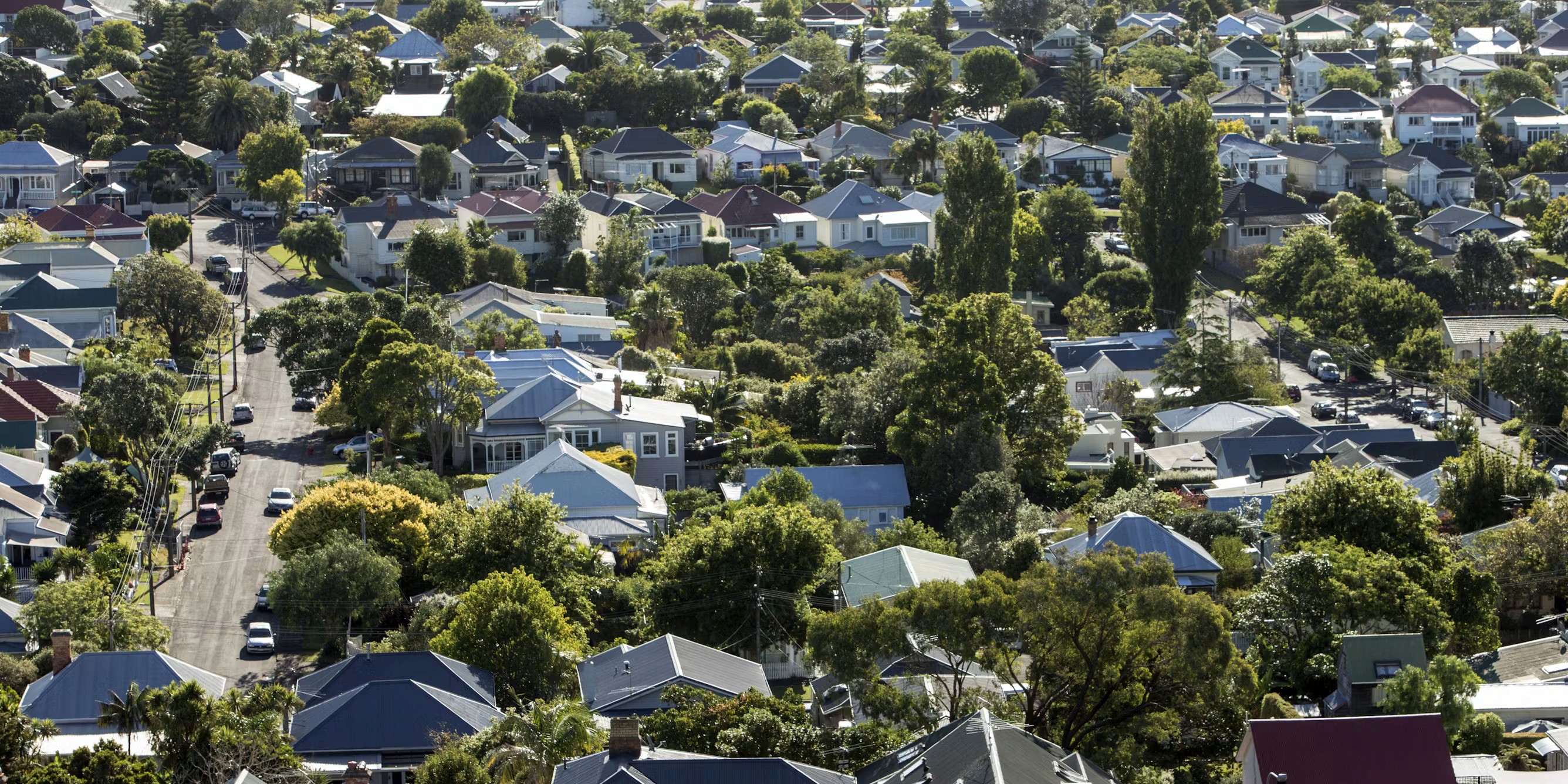
NZ's most walkable towns and cities ranked: see how your neighbourhood stacks up
Dr Tom Logan
Chief Technology Officer
If you live in a city or town, you have a mental map of the places you travel to most. But how accessible are those places, and how long does it take you to get there? Most of all, could you do everything you need to do without a car? These are the kinds of questions advocates for more liveable urban areas are asking now with greater urgency. Climate change, rising fuel costs and social connectedness are driving the move towards “15-minute cities” – although the actual number of minutes can vary depending on a city’s ambition.
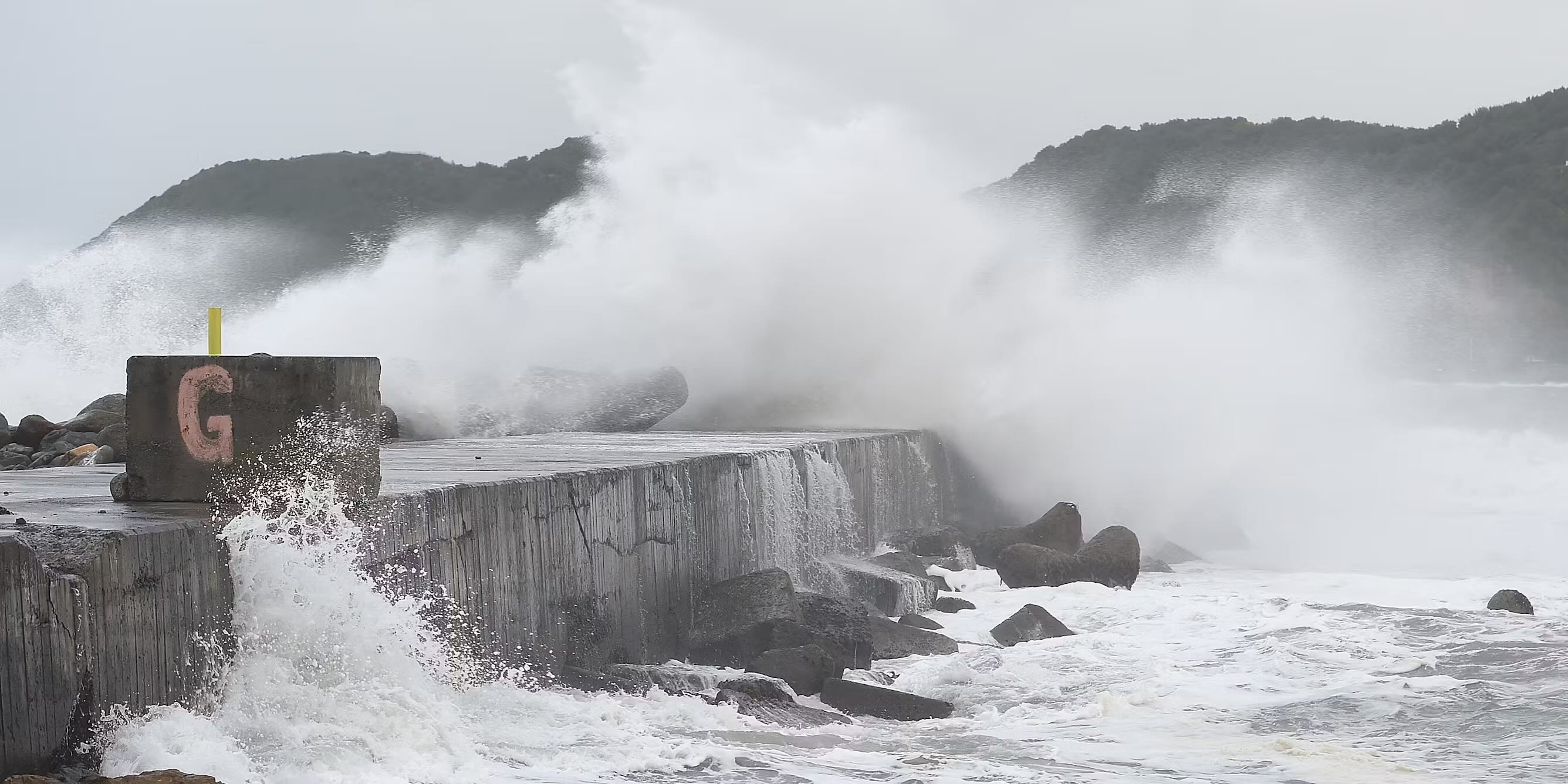
With seas rising and storms surging, who will pay for New Zealand’s most vulnerable coastal properties?
Tom Logan
Chief Technology Officer
As sea levels rise, tens of thousands of New Zealand homes are expected to become effectively uninsurable within the next few decades. Yet councils are still consenting coastal development and the country still lacks a clear long-term strategy for who pays, who retreats, and how vulnerable communities will be supported. The result is a growing tension between climate risk, insurance withdrawal, continued development and the ethics of managed retreat.

Housing, climate and reviving our downtown
Dr Tom Logan
Chief Technology Officer
The key to vibrant and sustainable cities is mixed-use development in main activity centres, yet New Zealand has taken the path towards American suburbia. Urban systems expert Dr Tom Logan calls for an integrated response to the climate and housing crises which could rejuvenate our downtowns.

We must be strategic in planning our cities
Dr Tom Logan
Chief Technology Officer
OPINION: Since 2019, we have built approximately 360 homes in New Zealand in areas threatened by sea-level rise. Their combined rateable value is $300 million. These properties may be uninsurable within the next few decades. This brings New Zealand’s total exposure (in the short term!) to more than $15 billion, or 30 thousand homes. In the past five years, we’ve added around 1300 homes, increasing the value exposed by about $1b. That we have been building in exposed places in the past may be forgivable, but this ongoing investment is untenable.
